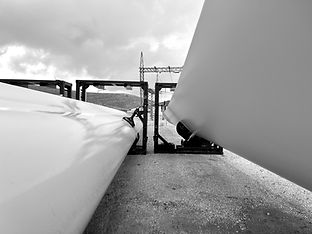
External Blade Inspection

External blade inspections focus on identifying surface level defects before they evolve into major structural issues that may affect blade performance and safety. Since the blade’s outer shell is continuously exposed to environmental stress such as wind, rain, UV radiation, temperature variations and impact forces, early detection is critical for maintaining both aerodynamic efficiency and overall blade integrity.
External inspections play an equally important role prior to turbine installation. Even newly manufactured blades may contain transport-related damage, handling marks, coating defects or early surface imperfections that are not immediately visible during standard visual checks. Identifying these issues before installation helps prevent future failures, avoids unnecessary downtime after commissioning and ensures that the blade enters operation in optimal condition.
By performing external inspections both on operating turbines and pre-installation blades, potential risks are detected early, corrective actions can be planned proactively and long term structural health is safeguarded. This approach supports reliable commissioning, reduces early life defects and helps preserve aerodynamic performance throughout the blade’s service life.
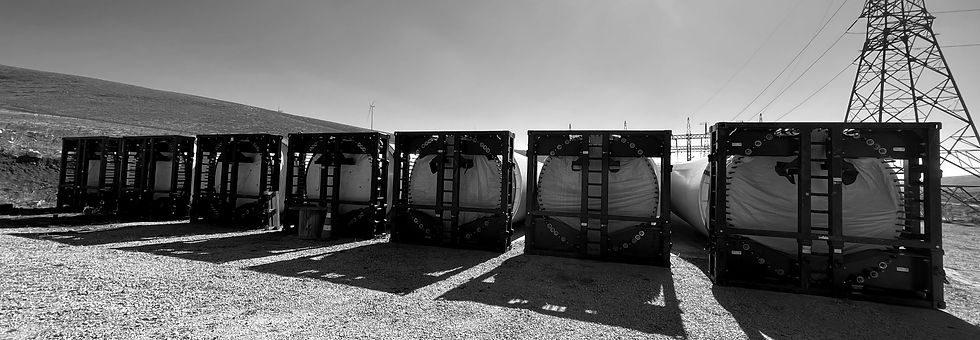
Seeing Surface Damage Before It Becomes Structural Risk
Atlas Createch Approach to External Blade Inspection
At Atlas Createch, external blade inspection is approached as a preventive engineering process, not a routine visual check. Each blade surface is evaluated with consideration of aerodynamic behavior, structural load transfer and damage progression mechanisms. Inspections are performed both on operating turbines and pre installation blades to ensure that surface level defects are identified before they develop into structural risks.
Our experts assess not only visible damage, but also subtle surface irregularities that may indicate underlying structural progression. This engineering driven evaluation allows accurate classification, realistic risk assessment and informed maintenance planning.
Why External Inspection Matters
-
Detects leading/trailing edge erosion at an early stage
-
Identifies surface cracks, gelcoat failures and shell deformation
-
Reveals damage that may look cosmetic but can indicate deeper structural progression
-
Highlights early signs of impact damage, lightning strikes or coating degradation
-
Evaluates the condition of previous repairs and checks for reoccurring issues
-
Reduces long term repair costs by preventing minor defects from becoming structural failures
Impact on Blade Health
Surface defects may seem small, but they can quickly develop into:
-
Increased aerodynamic drag
-
Localized stress concentration
-
Water ingress leading to internal damage
-
Progressive delamination over time
Regular external inspections ensure the blade remains structurally healthy, safe, and capable of delivering maximum energy output.